Discipline and Follow-Through
Structured classes teach students to listen, follow directions, and keep working when a movement does not go right the first time.
Ages 4 to 13
Give your child real confidence, discipline, and self-defense skills that stay with them. Our program has separate groups for ages 4–6 and 7–13, so students learn in a structured setting with children close to their own age and size.
Your child's first week on the mat is free.
Your child is a good kid, but focus can be a struggle. Maybe they are shy around other children, need a physical outlet, or have tried activities that never quite held their interest.
You are not alone. Families often come to jiu-jitsu looking for an activity that offers more than exercise. They want a place where their child can learn to listen, handle frustration, and become more comfortable in their own skin.
United Grappling Club gives children a clear structure, positive role models, and challenges they can work through one step at a time.
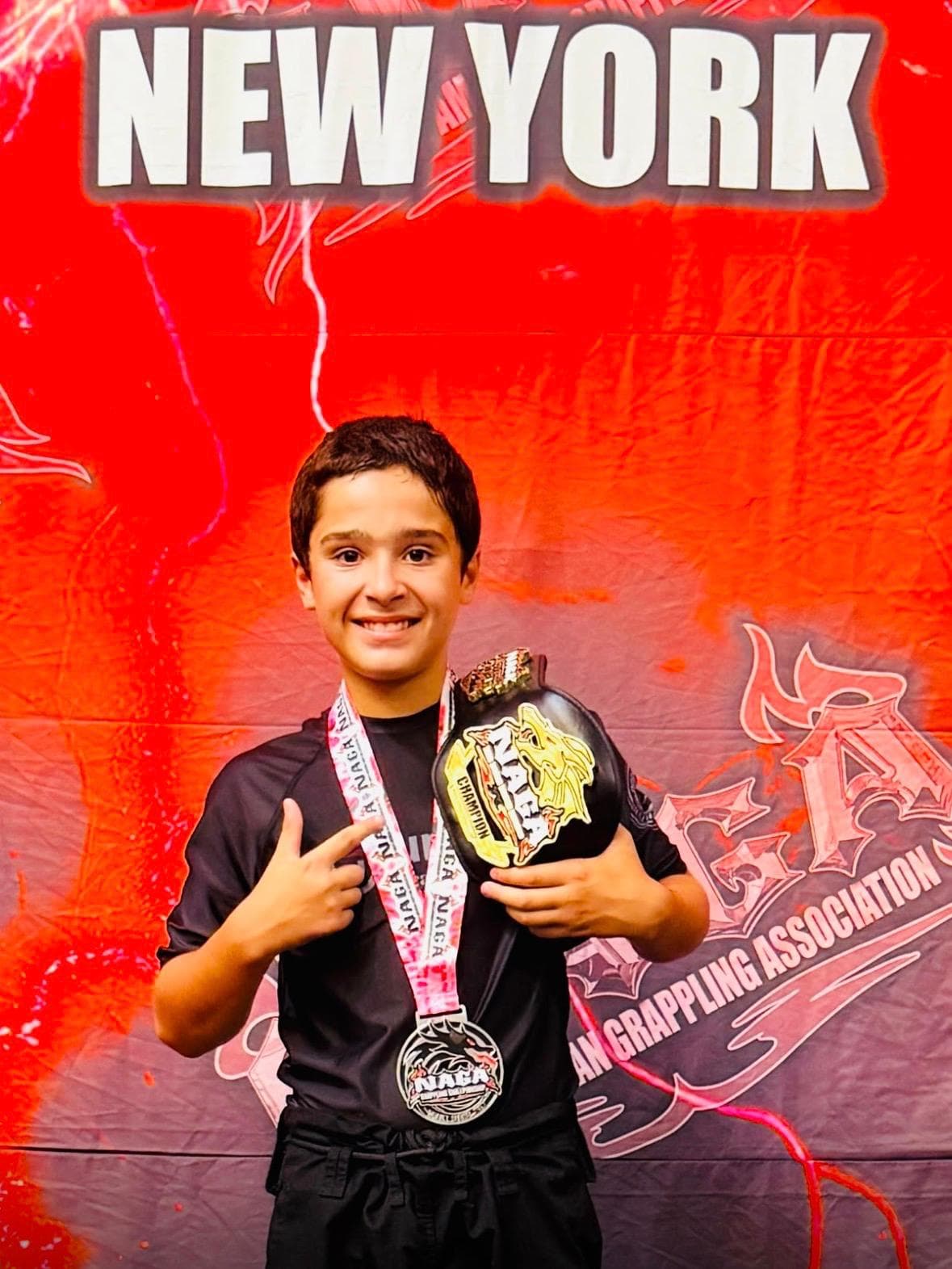
Growth That Extends Beyond the Mat
Most sports teach children to compete. Jiu-jitsu also teaches them to problem-solve, adapt, and stay composed when something is difficult.
Structured classes teach students to listen, follow directions, and keep working when a movement does not go right the first time.
Jiu-jitsu asks kids to think, adapt, and stay calm instead of relying only on speed, size, or strength.
Every technique, stripe, and belt gives children a meaningful goal and confidence built through their own effort.
Partner training reinforces sportsmanship, clear boundaries, and respect for coaches, teammates, and themselves.
Games, movement drills, and grappling build strength, balance, agility, coordination, and healthy activity habits.
Students learn how to manage pressure, protect themselves, and make safe choices without punching or kicking.
These qualities are not taught through a lecture. They are built into every warmup, every drill, every partnership, and every opportunity to reset and try again.
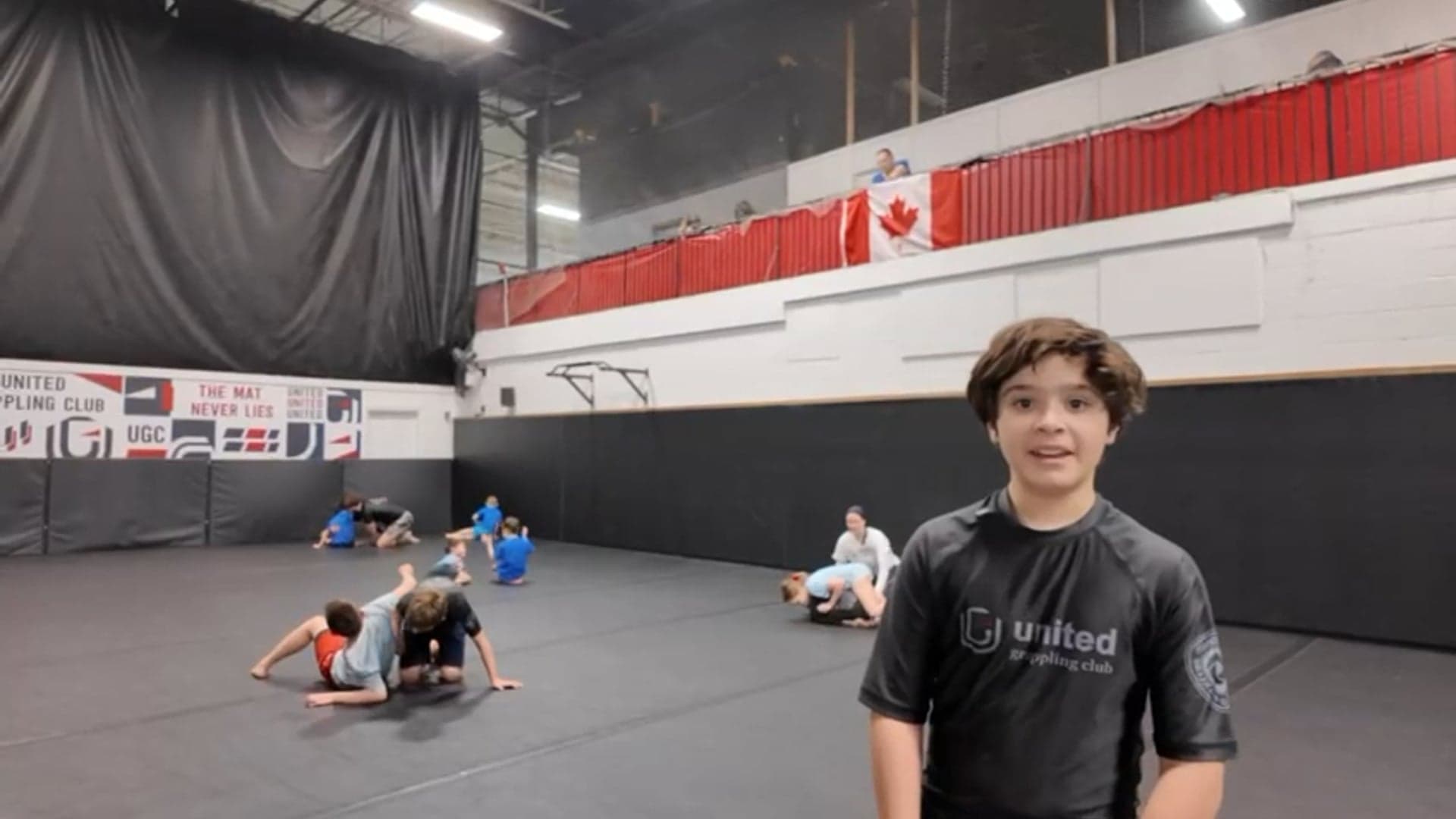
Self-Defense Without Punching or Kicking
Brazilian jiu-jitsu is a grappling-based martial art. In the kids program, students learn how to stay balanced, escape difficult positions, control a partner, and return safely to their feet.
Children practise what to do when someone grabs them and how to remain calm under pressure. Just as importantly, they learn that these skills belong in supervised training and that walking away is often the best choice.
A child who can manage pressure without immediately striking has more options, more awareness, and greater confidence.
Students begin with the movements that make Brazilian jiu-jitsu work: balance, posture, bridging, shrimping, breakfalls, and technical stand-ups.
They learn the main positions of jiu-jitsu, including guard, mount, side control, and back control. From there, they practise takedowns, escapes, sweeps, guard passing, and positional control.
Techniques are adjusted to each child's age and experience. Beginners focus on movement, safety, and basic positions. Older and more experienced students add controlled resistance, age-appropriate submissions, and supervised live grappling.
The goal is not only to memorize techniques. Children learn to stay calm, solve problems, and keep working when the first attempt does not succeed.
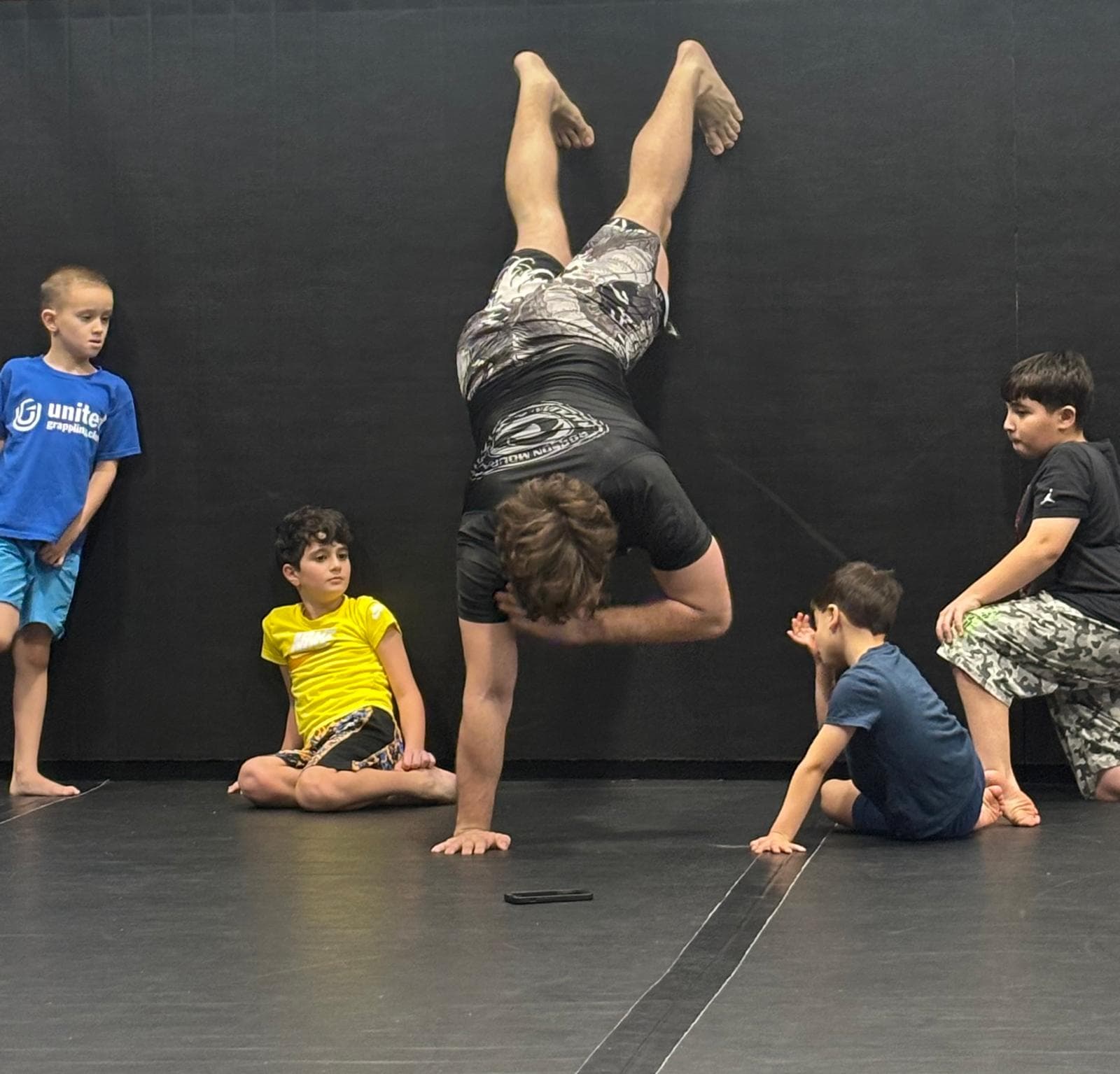
A consistent class structure helps children know what to expect and build real skills through repetition.
Students develop balance and coordination through age-appropriate movements, games, and mobility drills.
The coach breaks one lesson into simple steps that children can understand, repeat, and remember.
Students drill with a suitable partner while the coaching team provides corrections and keeps training safe.
Older or more experienced students may add controlled resistance and supervised live grappling suited to the group.
Students learn to tap early, release immediately, reset calmly, and treat every teammate with respect.
Two Age Groups
The kids program is split into two groups so students can learn at an appropriate pace with children close to their own age.
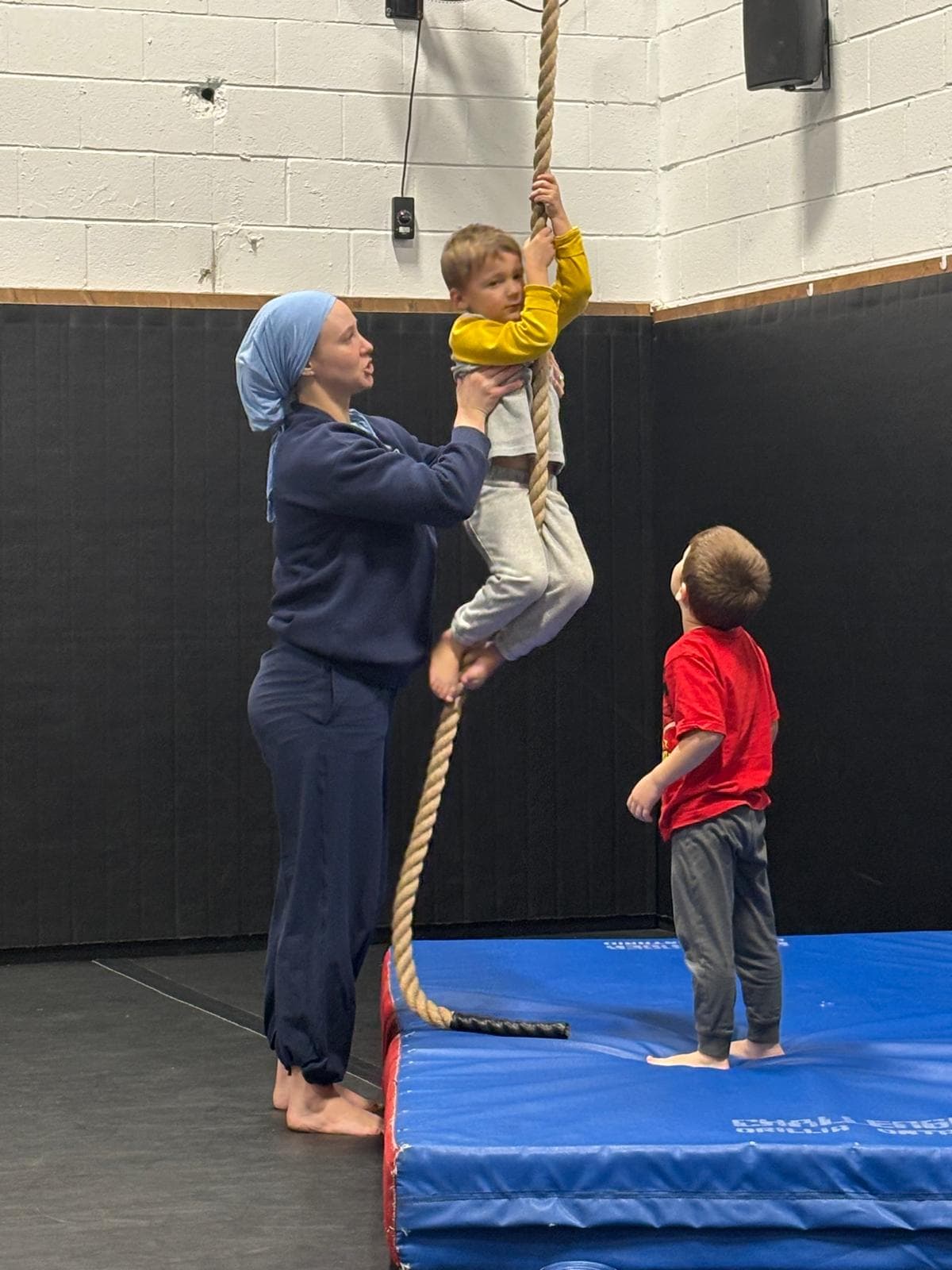
Ages 4–6
A beginner-friendly introduction built around movement, coordination, balance, games, and structured grappling drills for shorter attention spans.
Attend all currently scheduled classes for the age group.
This age group is currently accepting waitlist requests.
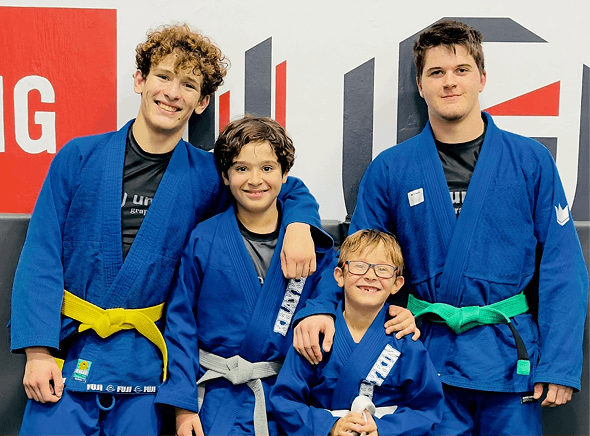
Ages 7–13
A complete technical foundation covering the major positions, escapes, sweeps, guard passing, control, and age-appropriate live grappling.
Attend all currently scheduled classes for the age group.
The introductory offer has no cancellation penalty. We ask for 30 days' notice if you need to cancel.

Our Academy
United Grappling Club is led by head instructor Domenic Passero, a third-degree Brazilian jiu-jitsu black belt under Robson Moura.
The academy is the Canadian representative of Robson Moura Nations United. The kids curriculum connects to the same structured program used by RMNU affiliates around the world.
Brent and Val are the dedicated kids program coaches. They lead the youth classes directly, help children understand each lesson, and make sure partners train safely and respectfully.
Current weekly classes for the Little Kids and Bigger Kids programs at United Grappling Club.
Ages 4-6
5pm - 6pm
Ages 7-13
6pm - 7pm
Ages 4-6
5pm - 6pm
Ages 7-13
6pm - 7pm
Ages 7-13
10am - 11am
What parents should know before their child's first class.
Yes. BJJ is a grappling-based martial art with no punching or kicking in the kids program. Training is structured, supervised, and age-appropriate, and coaches match partners by age, size, and experience whenever possible.
The Little Kids group starts at age 4. The Bigger Kids group is for children ages 7 to 13.
No. Both groups welcome complete beginners, and techniques are taught in simple steps suited to each child's age and experience.
Not for the first week. Comfortable athletic clothes with no zippers or buttons are fine to start. The team can help with gi sizing if your child continues.
Live grappling is always structured, supervised, and age-appropriate. Children are introduced to resistance gradually and are not pushed into anything they are not ready for.
No. Competition is available for students who want it, but it is never required, and belt progression does not depend on tournament participation.
No. Jiu-jitsu teaches control rather than aggression. Discipline, respect, safe training, and knowing when to walk away are reinforced in every class.
Yes. Many students begin that way. Confidence develops gradually as children become comfortable with the coaches, the class structure, and their training partners.
No gi or uniform is needed for the first week. Bring comfortable athletic clothes, a water bottle, and your child. We will take it from there.